Native Seed Box
Recycled Plantable Greeting Card | Billy Buttons
Dispatched same or next business day.
Couldn't load pickup availability

A plantable greeting card seeded with Australian native wildflowers
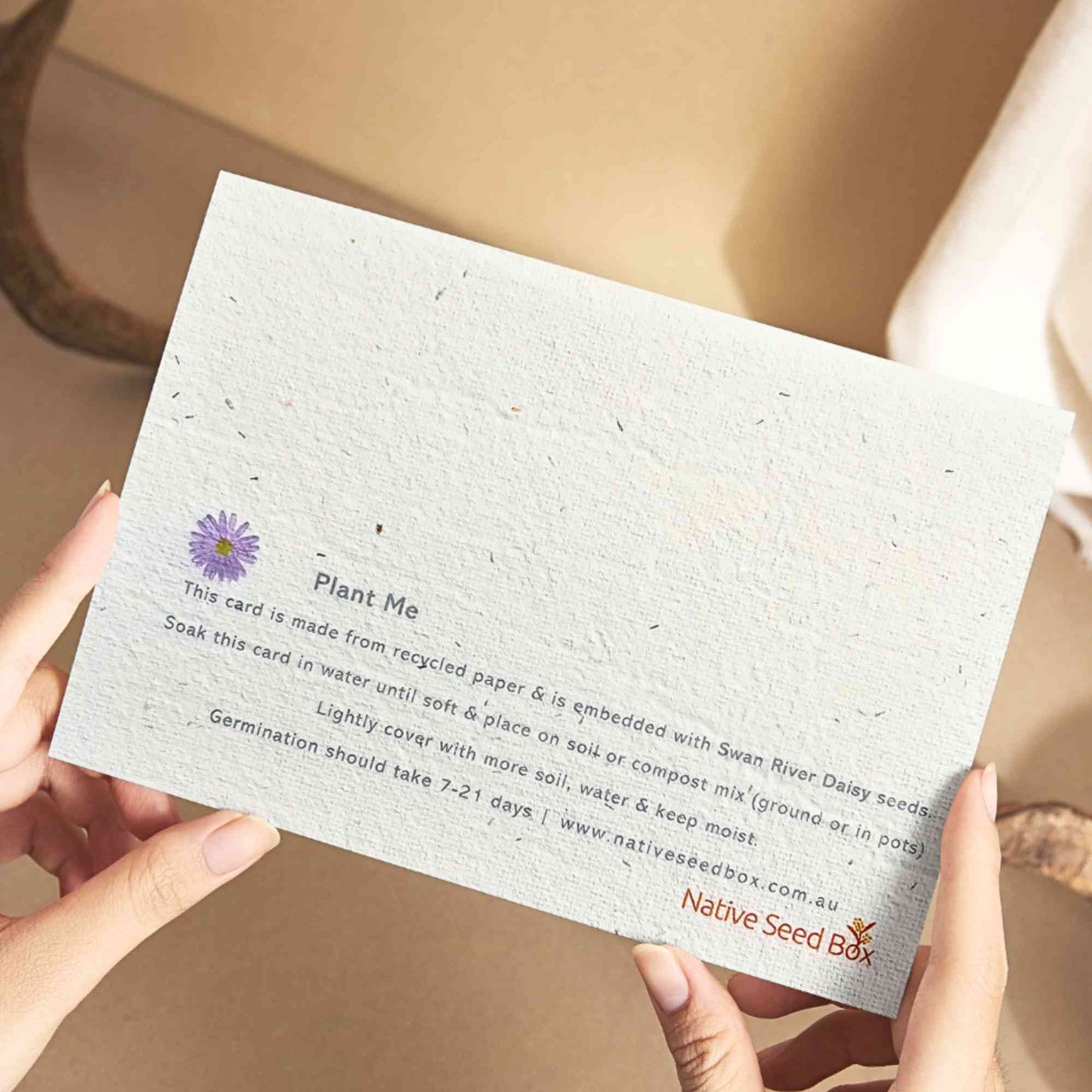
This Native Seed Box plantable greeting card is a greeting and a garden in one. Printed on seed paper embedded with Swan River daisy seeds, it is designed to be planted after it has been read — composting into the soil as the seeds germinate and establish. Blank inside and supplied with a 100% recycled eco brown envelope. A genuinely thoughtful alternative to a card that ends up in the recycling bin.
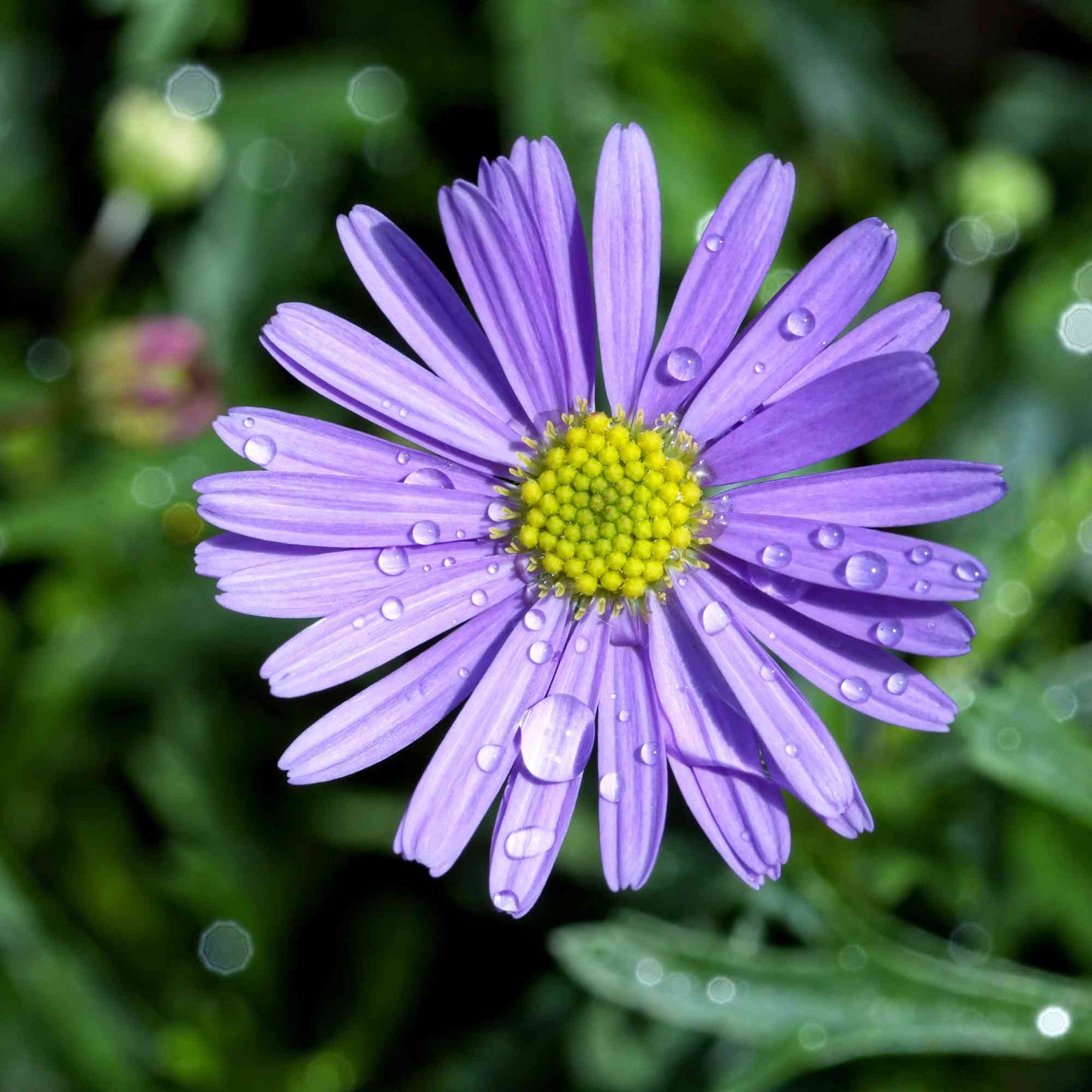
Swan River daisy — a native pollinator favourite
The card is seeded with Swan River daisy (Brachyscome iberidifolia) — a compact, free-flowering native daisy that produces a profusion of small purple, pink and white flowers loved by native bees and pollinators. Easy to establish from seed, it flowers quickly and self-seeds freely, returning year after year with minimal effort once in the ground.
How to plant it
Place the card on quality soil and cover with a thin layer of soil — just as you would when planting normal seeds. Keep the seed paper consistently moist so the seeds can push through the paper and germinate. As the seeds grow the paper composts naturally into the soil, leaving nothing behind but living plants.
Why you'll love it
- Seed paper embedded with Swan River daisy (Brachyscome iberidifolia)
- Blank inside — suitable for any occasion
- A6 size
- Supplied with a 100% recycled eco brown envelope
- FSC approved materials
- Composts completely into the soil as seeds germinate — zero waste
- A meaningful and memorable gift for gardeners and nature lovers
Details
- Size: A6
- Seeds: Swan River daisy (Brachyscome iberidifolia)
- Inside: blank
- Envelope: 100% recycled eco brown
- Materials: FSC approved seed paper
About Native Seed Box
Native Seed Box has come a long way from its beginning in 2018. Their founder's passion for supporting native flora and fauna comes from her background working in wildlife conservation in the Northern Territory, biosecurity in Victoria and extensive research during her studies in zoology and environmental sustainability.